New Brunswick Rental Housing Guides Overview
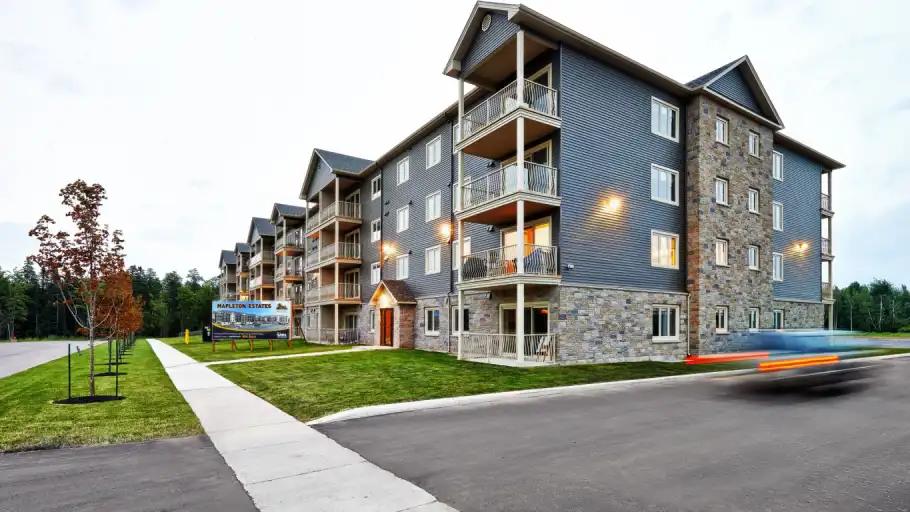


New Brunswick rental housing situations usually fall into two connected phases:
- A tenant transition (voluntary move-out or eviction process)
- A rental unit turnover process before a new tenant moves in
This page connects both sides so tenants and landlords can understand what happens before, during, and after a rental change.
Most delays, costs, and stress in rental housing come from not understanding how these two stages connect.
Tenant Side: Understanding the Eviction Process
If you are dealing with a notice, dispute, or move-out situation, start here:
👉 Eviction Process in New Brunswick: What To Do If You’re Facing Eviction
This guide explains the tenant-side process, including:
- How eviction notices work in New Brunswick
- What timelines and legal steps look like
- How tenants can prepare for a fast move if needed
- What to prioritize when leaving a unit
The process is managed through the New Brunswick Residential Tenancies Tribunal, which oversees landlord and tenant disputes in the province.
Understanding this process early helps reduce stress and avoids last-minute decisions.
Landlord Side: Rental Unit Turnover System
If you manage or own rental property, the next stage after a tenant leaves is turnover:
👉 Rental Unit Turnover New Brunswick: Fast Landlord Turnover System
This guide explains how landlords can:
- Reduce vacancy time between tenants
- Handle cleanouts and repairs efficiently
- Standardize the turnover process
- List and re-rent units faster
The goal is not perfection. The goal is speed and consistency so units return to market quickly.
How Tenant Moves and Turnover Are Connected

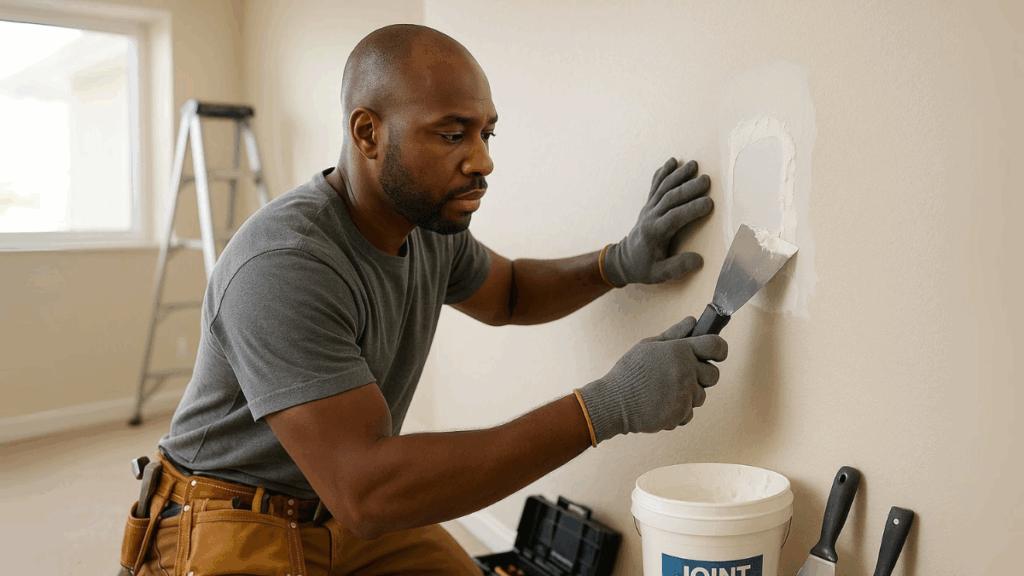
Every rental cycle in New Brunswick follows the same basic flow:
- A tenant leaves or is removed
- The unit becomes vacant
- Cleanout and repairs begin
- The unit is prepared for listing
- A new tenant moves in
The faster each step happens, the less income is lost.
Delays usually happen between steps, not during the work itself.
Common Problems That Slow Everything Down
Across both tenants and landlords, delays usually come from:
- No preparation before move-out
- Waiting too long to start cleanup
- Doing repairs in the wrong order
- Not having help ready in advance
- Over-improving instead of restoring rentability
Fixing the timing of these steps has more impact than increasing effort.
What Good Rental Systems Look Like
Efficient rental systems in New Brunswick usually have:
- A clear eviction or move-out process
- Immediate transition into cleanout and repair
- Standard tools and materials ready
- Fast listing and marketing after turnover
This reduces vacancy and stabilizes income for landlords while making transitions smoother for tenants.
External Resources
For official tenancy rules and guidance in New Brunswick, visit the New Brunswick Residential Tenancies Tribunal.
For general housing information, visit the Government of New Brunswick.
Internal Links
If you are a tenant:
👉 Eviction Process in New Brunswick: What To Do If You’re Facing Eviction
If you are a landlord:
👉 Rental Unit Turnover New Brunswick: Fast Landlord Turnover System